Almonde Embroidery Design: A Creative Asset for Personalized Projects
When you're working on a project that calls for a personal, crafted touch, the details matter. You might be designing a logo for a new boutique, creating custom merchandise for a small brand, or simply adding a monogram to a handmade gift. In these moments, a standard digital font often falls short. It lacks the texture, the subtle imperfections, and the tangible quality that makes embroidered work feel special. This is where a dedicated resource like Almonde Embroidery Design becomes invaluable. It’s not just a typeface; it's a specialized toolkit built for the unique demands of stitching letterforms onto fabric.
The Character and Craft of This Embroidery Font
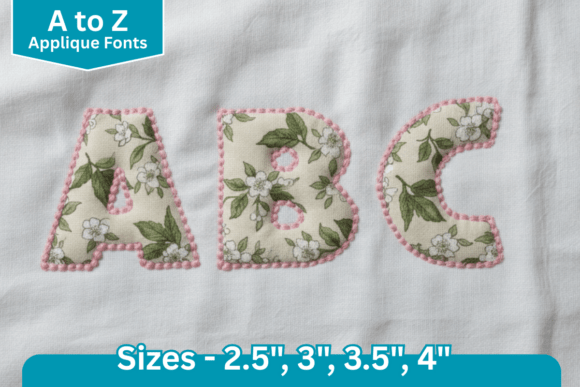
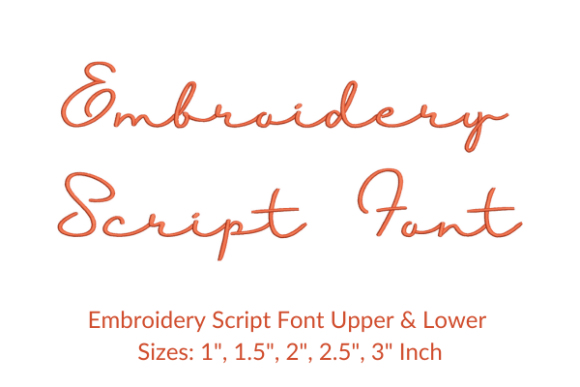
Almonde Embroidery Design presents itself as a premium font set with a clear purpose: to translate digital designs into beautiful, stitch-ready embroidery. Visually, it carries the hallmark of a classic serif font, offering a sense of traditional elegance and readability. The serifs aren't just decorative; in embroidery, they provide crucial structure to each letter, ensuring clean edges and consistent definition when stitched. The overall personality is one of refined craftsmanship—think heirloom linens, bespoke monograms, and branded apparel that needs to convey quality and attention to detail.
What makes it particularly practical is its construction as a true machine embroidery font. The design file you receive isn't a standard TTF or OTF. Instead, it's a collection of digitized stitch files in multiple formats compatible with various embroidery machines. Each letter, number, and glyph has been meticulously digitized to account for pull compensation, stitch density, and underlay—the technical foundations that prevent puckering, thread breaks, and misshapen letters. The provided size and stitch information for characters like "A" and "a" acts as a reliable summary, giving you a quick reference for planning your project's scale and thread consumption.
Practical Applications Across Creative and Commercial Projects
The utility of a creative font like Almonde extends far beyond personalizing a handkerchief. For entrepreneurs and small business owners, it’s a key design asset for building a cohesive brand identity. Imagine using it to stitch your company name onto staff polo shirts, create branded tote bags for a trade show, or produce a line of artisanal products like aprons or blankets. The consistent, professional look of embroidered text can significantly elevate perceived value and brand recognition.
For designers and content creators, this font opens up new possibilities for packaging design and editorial design. A boutique product line featuring embroidered labels on its packaging stands out on a shelf. A publisher could use it to create special edition book covers or promotional merchandise. In the realm of digital and print, while you wouldn't use the embroidery file for a website, the style of Almonde can inform your overall font pairing strategy. You might pair a clean sans serif font for body copy with an Almonde-inspired display font for headlines in a catalog, creating a visual link between your printed materials and your physical products.
Influence on Brand Perception and Audience Engagement
Choosing a commercial font like Almonde is a strategic decision that influences how your audience perceives your work. Embroidery inherently communicates care, durability, and a human touch. Using this font for names, dates, or short quotes on products or marketing materials can foster a stronger emotional connection. It suggests that the item was made with intention, not mass-produced. This level of professionalism and consistency across all your embroidered assets—from uniforms to promotional goods—builds trust and enhances recognition. It’s a subtle but powerful way to engage your audience through tactile, high-quality presentation.
Making the Most of Your Investment: Guidance and Considerations
Before integrating Almonde Embroidery Design into your workflow, a few practical steps will ensure success. First, always download and review the complete file set and the detailed PDF documentation. This will give you the full dimension details for all 156 letters, which is essential for accurate layout planning. Test a few key characters from your project—like the initials in a monogram or the first letters of a name—on a scrap piece of your actual fabric. This allows you to check for readability at your intended size and adjust machine settings like tension or stabilizer if needed.
When evaluating project fit, consider the scale and medium. This font excels on medium-weight fabrics where the stitch definition can shine. It may not be ideal for very delicate silks or extremely heavy, textured materials like canvas without appropriate testing. For logo design that will be embroidered, simplify complex logos or pair Almonde with simpler script font or sans serif font elements to ensure clarity at small sizes. Finally, verify the licensing for your intended use. Most premium font licenses for embroidery designs cover both personal and commercial projects, but it's always prudent to confirm, especially if you plan to sell finished goods.
Ultimately, Almonde Embroidery Design serves as a bridge between modern typography and traditional craft. It provides the tools to add a layer of personalized, textured sophistication to a wide array of projects, empowering you to create with both confidence and character.